Page :
1 | 2 |
3 |
4 |
5 |
6 |
7 |
8 |
9
More Information
Container Maintenance and Equipment
Container shipping plays a crucial role in global trade, and the Gulf Cooperation Council (GCC) region has become one of the most important logistics hubs connecting Asia, Europe, and Africa. The GCC countries operate several modern container ports that handle millions of containers every year.
Efficient container maintenance, equipment management, and port infrastructure are essential to ensure smooth cargo movement. These activities include inspection, repair, storage, and handling of containers using specialized equipment such as cranes, forklifts, and automated terminal systems.
Container Maintenance in GCC - United Arab Emirates, Saudi Arabia, Oman, Qatar, Kuwait, Bahrain Ports
Container maintenance refers to the processes required to keep shipping containers safe, functional, and compliant with international standards. GCC ports maintain strict operational procedures due to high container traffic and international trade regulations.
Container Inspection
Before containers enter or leave the port, they undergo inspection to ensure:
• Structural integrity
• No cargo leakage or contamination
• Compliance with International Maritime Organization (IMO) standards
• Proper labeling and documentation
Inspections are typically carried out at container freight stations (CFS) or terminal gates.
Container Repair and Maintenance
Ports in GCC countries operate container repair yards where damaged containers are repaired. Common repair activities include:
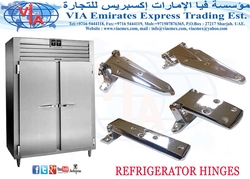
• Replacement of container doors and locking systems
• Repair of steel panels and flooring
• Welding and structural reinforcement
• Painting and corrosion protection
Refrigerated containers (reefers) require additional maintenance such as:
• Temperature control testing
• Electrical component inspection
• Refrigeration system servicing
Container Storage and Yard Management
Containers are stored in large container yards inside ports. Modern GCC ports use digital systems for:
• Container tracking
• Yard planning
• Automated stacking systems
• Real-time cargo monitoring
These systems reduce congestion and improve turnaround time.
Equipment Used in Container Handling
Efficient container operations depend on advanced equipment used in loading, unloading, and transport within port terminals.
Ship-to-Shore (STS) Cranes
STS cranes are large cranes used to transfer containers between ships and port terminals. They are capable of lifting containers weighing up to 65 tonnes.
Rubber-Tyred Gantry (RTG) Cranes
RTG cranes move containers within storage yards and stack them efficiently.
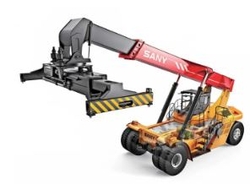
Reach Stackers
Reach stackers are heavy vehicles used to move containers within short distances in the port yard.
Terminal Tractors
Terminal tractors transport containers between ships, storage yards, and logistics facilities.
Automated Container Systems
Some GCC ports are implementing:
• Automated stacking cranes
• Smart container tracking systems
• Digital port management software
These technologies improve operational efficiency and reduce turnaround time.
Major Container Ports in GCC Countries
Container Maintenance in United Arab Emirates
Major ports include:
• Jebel Ali Port
• Khalifa Port
Jebel Ali is the largest port in the Middle East and a global logistics hub.
• Handled 15.5 million TEUs in 2024, its highest container throughput since 2015.
• Annual capacity: 19.4 million TEUs.
Container Maintenance in Saudi Arabia
Major container ports:
• Jeddah Islamic Port
• King Abdulaziz Port
Saudi ports handle large volumes of import containers including food, machinery, and industrial goods.
Container Maintenance in Qatar
Major port:
• Hamad Port
Hamad Port is one of the most advanced ports in the region and supports container logistics for Qatar’s trade and food imports.
Container Maintenance in Oman
Major ports:
• Sohar Port
• Salalah Port
Salalah Port is an important transshipment hub linking Asia, Africa, and Europe.
Container Maintenance in Kuwait
Major port:
• Shuwaikh Port
It handles containerized imports including food products, construction materials, and consumer goods.
Container Maintenance in Bahrain
Major port:
• Khalifa Bin Salman Port
The port acts as Bahrain’s main gateway for international container trade.
Container Traffic and Trade Flow in GCC Ports
Container traffic in GCC ports has grown significantly due to:
• Expansion of logistics infrastructure
• Growth in international trade
• Increasing import demand
For example:
• Jebel Ali handled 15.5 million TEUs in 2024, representing about 18% of DP World’s global container throughput.
• GCC ports act as key hubs for cargo moving between Asia, Europe, and Africa.
Containers entering GCC ports typically carry:
• Food products
• Electronics
• Machinery
• Vehicles
• Consumer goods
Containers leaving GCC ports often export:
• Petrochemicals
• Aluminum products
• Plastics
• Re-exported goods
Challenges in Container Maintenance and Port Operations in UAE, Saudi Arabia, Oman , Qatar, Kuwait and Bahrain
Despite advanced infrastructure, GCC ports face several challenges:
High Container Traffic
Large container volumes require efficient yard management and equipment maintenance.
Environmental Conditions
Extreme temperatures and sandstorms can damage container surfaces and equipment.
Supply Chain Disruptions
Global shipping disruptions and geopolitical risks can affect container flow and port operations.
Container maintenance and equipment management are critical components of port operations in GCC countries. With modern infrastructure, automated container handling systems, and advanced maintenance facilities, GCC ports have become major logistics hubs supporting global trade.
Ports such as Jebel Ali, Jeddah Islamic Port, Hamad Port, and Salalah Port handle millions of containers each year, ensuring efficient entry and exit of cargo. Continuous investment in container handling equipment, digital logistics systems, and port infrastructure will further strengthen the GCC’s position as a key maritime trade gateway.